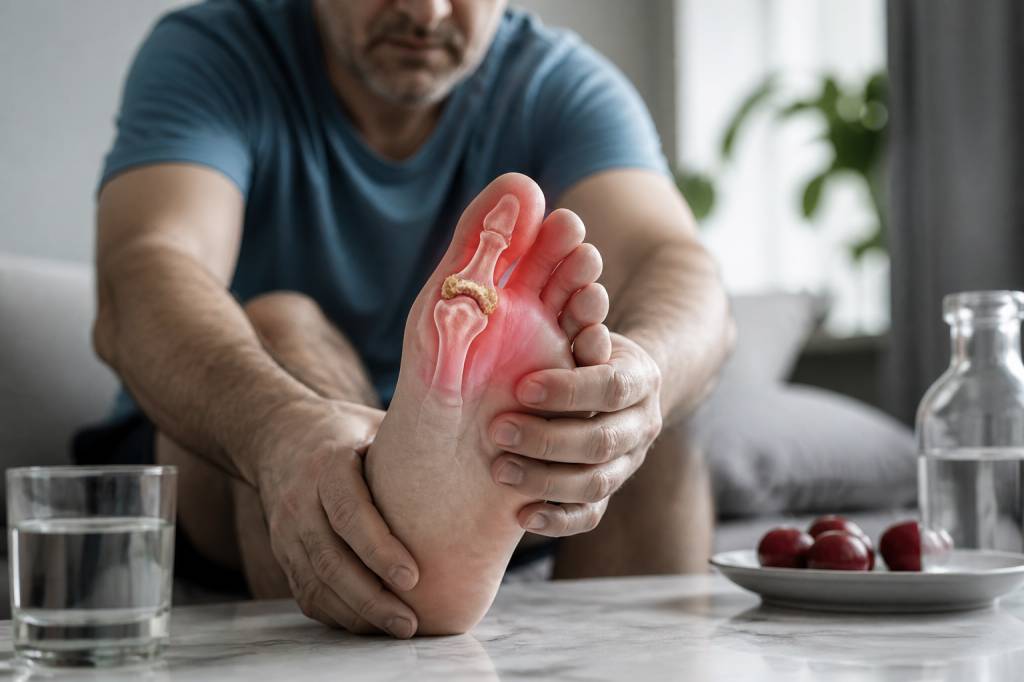
The second toe is not usually the star of the foot. It lives in the shadow of the big toe, doing its quiet mechanical work while shoes, pavements and gravity demand the impossible. Yet when gout settles there, it can become the most memorable part of the body—usually at three in the morning, when a bedsheet feels like an iron gate.
Gout in the second toe is caused by a build-up of uric acid crystals inside a joint. It can produce sudden, intense pain, swelling, redness and heat. Although the big toe is the classic target, gout can affect almost any joint, including the second toe, ankle, knee or fingers.
The good news is that gout can usually be managed. The less comforting news is that ignoring repeated attacks allows the disease to become more frequent and more damaging. Understanding the causes, recognising the symptoms and seeking appropriate treatment can make the difference between an isolated ambush and a recurring campaign.
What is gout in the second toe?
Gout is a form of inflammatory arthritis. It occurs when the body has too much uric acid in the bloodstream, a condition known as hyperuricaemia. Uric acid is produced when the body breaks down purines, substances found naturally in human cells and in certain foods.
Normally, the kidneys filter uric acid from the blood and remove it through urine. But if the body produces too much, removes too little, or both, uric acid can accumulate. Over time, sharp, needle-like crystals may form in and around a joint.
When those crystals irritate the joint lining, the immune system responds with spectacular enthusiasm. The result is a gout flare: rapid inflammation, often accompanied by pain so severe that the affected toe seems to have acquired its own political agenda.
The second toe contains several small joints, but gout most commonly affects the joint closest to the foot—the metatarsophalangeal joint. It may also affect the middle or end joint, particularly in people who have experienced gout for many years.
Common symptoms of second toe gout
A gout attack often develops quickly, sometimes over just a few hours. It may begin overnight or in the early morning, though it can occur at any time. Typical symptoms include:
- Sudden, severe pain in the second toe or the joint at its base.
- Swelling that makes the toe look enlarged or misshapen.
- Red or purplish skin over the joint.
- Heat and tenderness, sometimes triggered by the lightest touch.
- Stiffness and difficulty bending the toe.
- Shiny, stretched-looking skin caused by swelling.
- Discomfort when walking or wearing socks and shoes.
The pain may be throbbing, burning or crushing. Some people describe it as feeling like the toe has been broken, even when there has been no injury. A flare may last several days to a couple of weeks if untreated, although the most intense pain often improves sooner.
After the attack, the joint may return to normal—or may remain slightly stiff and tender. Repeated attacks can cause persistent inflammation and the formation of tophi, firm lumps made of uric acid crystals. Tophi may appear around the toes, ears, fingers or other joints. They are the body’s rather unhelpful way of storing a problem in plain sight.
Why does gout affect the second toe?
The second toe is not uniquely vulnerable to gout, but several factors may make it a target. Small joints can become inflamed rapidly, and footwear may apply pressure to an already irritated area. A narrow toe box, rigid work shoe or fashionable shoe with a hostile architecture can transform mild swelling into a daily negotiation.
More broadly, gout risk is linked to the amount of uric acid in the blood and to how efficiently the kidneys clear it. Important risk factors include:
- A family history of gout.
- Being overweight or living with obesity.
- High blood pressure, diabetes, kidney disease or metabolic syndrome.
- Eating large amounts of red meat, organ meat or certain seafood.
- Regularly drinking alcohol, especially beer and spirits.
- Drinking large quantities of sugary drinks containing fructose.
- Taking certain medicines, including some diuretics used for high blood pressure.
- Dehydration, fasting, crash dieting or rapid weight loss.
- Recent surgery, trauma or significant physical stress.
Men are more likely to develop gout earlier in life, while women’s risk increases after menopause as oestrogen levels fall. However, gout can affect anyone. It is not simply a disease of extravagant dinners and old caricatures of wealthy men clutching their feet. Genetics, kidney function and medications often matter as much as what is on the plate.
Gout or something else?
Second toe pain is not automatically gout. A broken toe, sprain, bunion-related pressure, osteoarthritis, rheumatoid arthritis, an infected joint or an inflamed tendon can produce similar symptoms. Even a small cut or blister can allow bacteria into the skin and create a dangerous infection.
Gout becomes more likely when pain arrives suddenly, the joint is intensely red and swollen, and there is a previous history of gout or elevated uric acid. But appearance alone cannot provide a reliable diagnosis.
Seek urgent medical attention if the toe is very painful and swollen and you also have a fever, chills, feeling faint, red streaks spreading up the foot, pus, or rapidly worsening redness. A joint infection can permanently damage cartilage and may become life-threatening. It is not a situation for a heroic experiment involving leftover medication and optimism.
You should also arrange medical advice for a first suspected gout attack, recurrent flares, unexplained joint swelling or symptoms that do not improve. A clinician may examine the toe, review your medical history and order blood tests. A blood uric acid result can be useful, although it may be normal during an acute flare.
In uncertain cases, a doctor may recommend removing a small sample of joint fluid with a needle. Examining the fluid for uric acid crystals is one of the most reliable ways to confirm gout. X-rays, ultrasound or other scans may also help identify crystal deposits or rule out another problem.
What can relieve a gout flare?
Treatment works best when started early. A doctor or pharmacist may recommend an anti-inflammatory medicine such as a non-steroidal anti-inflammatory drug, colchicine or a corticosteroid. The best option depends on your kidney function, stomach health, heart health, other medicines and general medical history.
Do not take anti-inflammatory medicines casually if you have kidney disease, a history of stomach ulcers, heart failure, uncontrolled high blood pressure, are taking blood thinners, or are pregnant. Even familiar medicines can become dangerous when combined with the wrong conditions or dose.
During a flare, practical measures may ease discomfort:
- Rest the foot and avoid unnecessary walking.
- Raise the foot to help reduce swelling.
- Apply a cold pack wrapped in a cloth for up to 15–20 minutes at a time.
- Drink water regularly, unless a medical condition requires fluid restriction.
- Wear loose, open footwear or avoid pressure on the toe.
- Keep bedding away from the joint if even light contact causes pain.
Do not massage the toe vigorously or apply intense heat during an acute attack. Both may aggravate inflammation. It is also unwise to stop or change prescribed gout medication without speaking to a clinician. If you already take allopurinol or another urate-lowering treatment, stopping suddenly may destabilise uric acid levels and provoke further attacks.
Long-term treatment: lowering uric acid
One flare may be treated as an emergency; repeated flares require a strategy. Urate-lowering therapy reduces the amount of uric acid in the blood, allowing existing crystals to dissolve gradually and helping prevent new ones from forming.
Allopurinol is commonly prescribed. Febuxostat is another option for some people. These medicines are not painkillers and do not usually stop an attack immediately. They are preventive treatments that must be taken consistently, often for months or longer.
At the beginning of urate-lowering treatment, flares can temporarily become more common as crystals shift and dissolve. Doctors may prescribe colchicine or another anti-inflammatory medicine for a period of time to reduce this risk. Doses are adjusted according to blood uric acid levels, kidney function and individual response.
Regular follow-up matters. The aim is not merely to make the toe look less dramatic; it is to lower uric acid enough to prevent crystal formation and gradually clear deposits throughout the body. Treatment may also reduce the risk of kidney stones and some long-term joint damage.
Food, alcohol and everyday prevention
Diet alone cannot cure gout, particularly when genetics or kidney disease are involved. Still, daily habits can influence the frequency and intensity of attacks.
- Drink water regularly and avoid becoming dehydrated.
- Limit beer, spirits and binge drinking. Alcohol can both increase uric acid production and reduce its removal.
- Reduce portions of red meat, organ meat and some seafood such as anchovies, sardines, mussels and shellfish.
- Cut back on sugary soft drinks, energy drinks and foods heavily sweetened with fructose.
- Choose more vegetables, whole grains, beans, low-fat dairy and lean protein.
- If weight loss is appropriate, aim for gradual, sustainable change rather than crash dieting.
- Manage blood pressure, diabetes, cholesterol and kidney disease with professional support.
It is worth resisting the temptation to create a forbidden-food mythology. Beans, lentils and many vegetables contain purines, but they generally do not carry the same gout risk as organ meat or heavy alcohol consumption. A balanced eating pattern is more useful than a miserable list of culinary exiles.
After an attack, consider what happened in the previous 24–48 hours. Was there a long journey, intense exercise, dehydration, a large meal, alcohol, illness or a change in medication? Keeping a brief symptom diary can help reveal patterns, though it should complement—not replace—medical care.
When should you speak to a doctor?
Arrange an appointment if this is your first suspected attack, if the second toe remains swollen, or if flares keep returning. Professional advice is especially important if you have kidney disease, cardiovascular disease, diabetes, a history of kidney stones or take diuretics.
Seek urgent help for fever, rapidly spreading redness, pus, severe illness or pain that is escalating despite treatment. Also seek prompt assessment after an injury if the toe looks deformed, cannot bear weight or has become numb or unusually pale.
Gout is painful, but it is not a moral verdict. It is a treatable medical condition shaped by metabolism, genetics, medication and circumstance. The second toe may announce the problem with theatrical intensity, yet the underlying issue often extends beyond the foot. Listening to that small, furious joint may be the first sensible conversation your body has had in a while.