Understanding Digital Nomad Visas and the New Global Work Culture
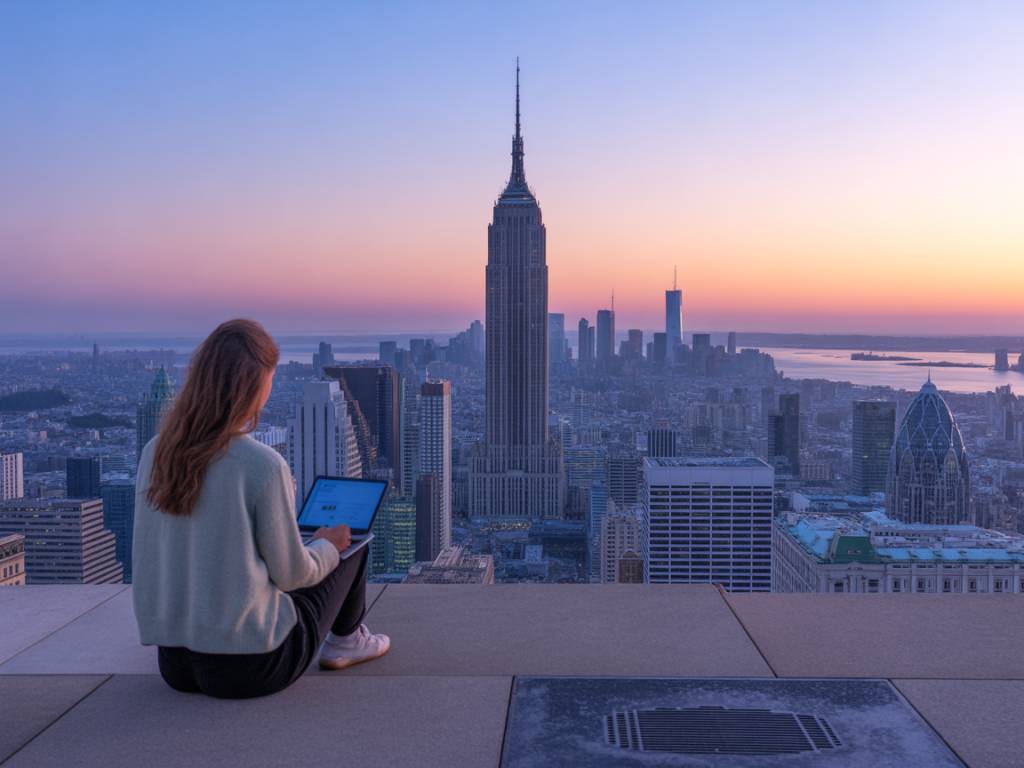
Digital nomad visas are rapidly becoming a cornerstone of the new global work culture. Designed for remote workers, freelancers and online entrepreneurs, these visas allow location-independent professionals to live in a foreign country while working for clients or employers based elsewhere. Unlike tourist visas, digital nomad visas typically last from six months to several years and come with clearer legal status, tax rules and sometimes access to local services.
This legal framework matters. It shifts remote work from a grey area of perpetual “tourism” to a recognised, regulated economic activity. Countries from Estonia to Portugal, Costa Rica, the UAE, Barbados and Malaysia now use digital nomad visa programmes as tools to attract skilled professionals, diversify their economies and project an image of innovation and openness.
Behind the marketing buzz, a deeper question emerges: can these new visas genuinely reshape global work culture and transform local economies, or will they remain a niche tool mainly benefiting a privileged minority?
How Digital Nomad Visas Are Changing Global Work Culture
The rise of digital nomad visas comes at a time when remote work and hybrid work models are no longer experimental. Many companies have accepted that not all employees need to be in the same office, or even in the same country. Digital nomad visas respond directly to this evolution, offering a legal pathway for people who want to travel without sacrificing career progression or job stability.
Several key trends in global work culture are amplified by these visas:
In practice, this reshapes how people think about careers. Instead of climbing a ladder in a single city, many professionals now build a “portfolio life” of skills, clients and locations.
Key Features of Digital Nomad Visas: What They Offer to Remote Workers
While each country designs its own scheme, most digital nomad visas share common elements that directly influence both work culture and local economies:
These features make digital nomad visas attractive to remote workers who want legal stability and predictable costs. At the same time, they create a distinct category of residents: present in the territory, contributing to consumption, but often separated from the local job market.
Economic Opportunities for Host Countries
For destination countries, especially small states and mid-size cities, digital nomad visas represent a strategic economic opportunity. Instead of competing solely on industrial investment or traditional tourism, governments can attract a new kind of “lightweight” resident whose income flows from abroad.
Among the most frequently cited economic benefits are:
For many governments, welcoming digital nomads is less risky than betting on large-scale infrastructure projects. The cost of implementation is relatively low compared with potential long-term gains in visibility and consumption.
Risks and Challenges for Local Economies and Communities
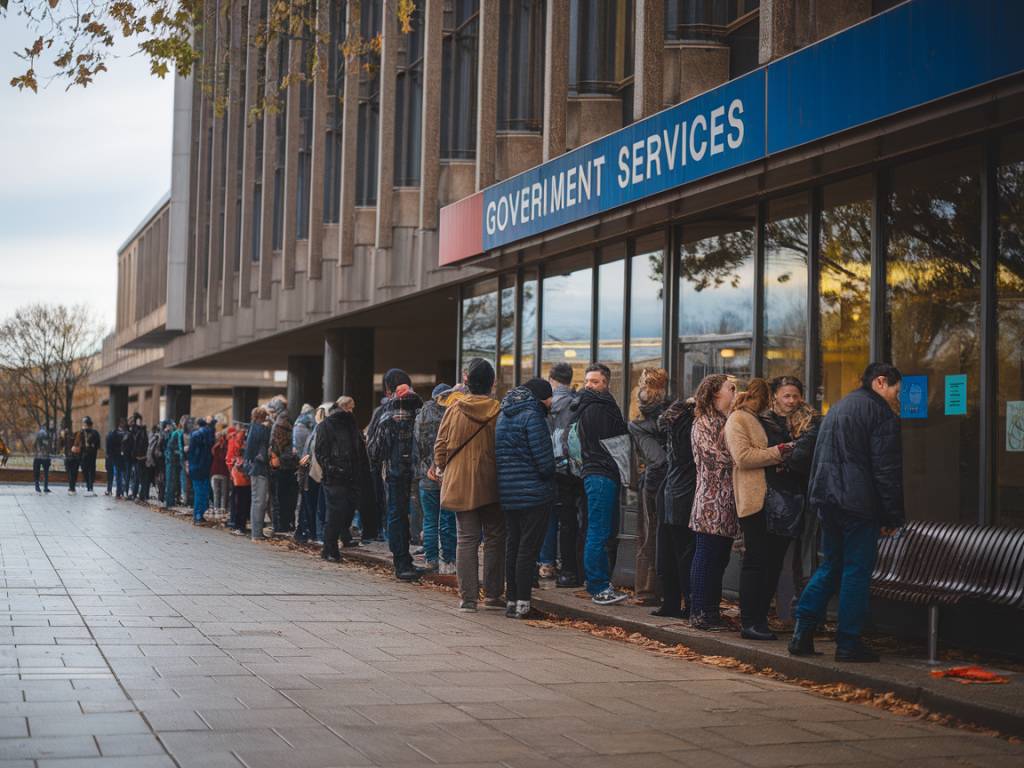
The arrival of digital nomads is not without tension. Host cities and residents often raise concerns about inequality, gentrification and cultural disconnection. The very design of digital nomad visas, with their income thresholds and focus on remote work, tends to attract a relatively affluent and internationally mobile population.
Several economic and social risks stand out:
Local authorities therefore face a delicate balancing act. They must welcome international talent and spending while protecting housing affordability, community cohesion and the interests of residents who do not benefit directly from the remote work economy.
Can Digital Nomad Visas Foster Positive Cross-Cultural Exchange?
Beyond economics, digital nomad visas influence how cultures meet and interact. When programmes are designed thoughtfully, they can encourage meaningful relationships between visitors and host communities. In many cities, digital nomads participate in local language classes, volunteer projects, professional meetups and cultural events.
However, cross-cultural exchange does not happen automatically. It depends on several factors:
When integration is successful, digital nomad visas can help build international networks, promote local creative scenes, and export cultural products such as music, food, arts and crafts to global audiences through the online presence of nomads.
Impact on Employers and Global Talent Management
From a corporate perspective, digital nomad visas raise new strategic and legal questions. If employees can work from almost anywhere, companies must adapt their policies around payroll, taxation, data security and employment law. Hosted employees may need clear guidelines about where they can work, for how long and under what conditions.
Digital nomad-friendly policies can be powerful tools for attracting and retaining talent, especially in technology, design, consulting and creative industries. However, they also require:
As more workers experiment with digital nomad visas, the pressure on companies to offer flexible, internationally mobile careers is likely to grow.
Designing More Sustainable and Inclusive Digital Nomad Visa Policies
For digital nomad visas to reshape global work culture and local economies in a balanced way, policy design is crucial. Governments that simply launch a visa without supporting infrastructure or regulation risk fuelling speculation in housing and creating social tensions.
Several strategies can support a more sustainable approach:
With these tools, authorities can try to ensure that the benefits of digital nomadism are not confined to a small circle of property owners and international workers, but spread more widely through the local economy.
Will Digital Nomad Visas Remain a Niche or Become the New Normal?
Digital nomad visas are still relatively new. Many were introduced or expanded during the COVID-19 pandemic, when countries sought alternatives to mass tourism and professionals discovered the possibilities of remote work. It is too early to know whether these visas will become a standard feature of immigration systems or remain experimental.
Several factors will shape their future:
What is clear is that digital nomad visas have already altered perceptions of what a career can look like and what kind of residents cities can host. They sit at the crossroads of immigration policy, urban development, labour law and lifestyle marketing.
For remote workers, these visas offer a framework to live abroad legally and responsibly. For host countries, they provide both an opportunity and a test: can they harness the energy of global talent while protecting local communities and ensuring that the promise of a digital nomad-friendly economy becomes a shared benefit rather than a new fault line?