


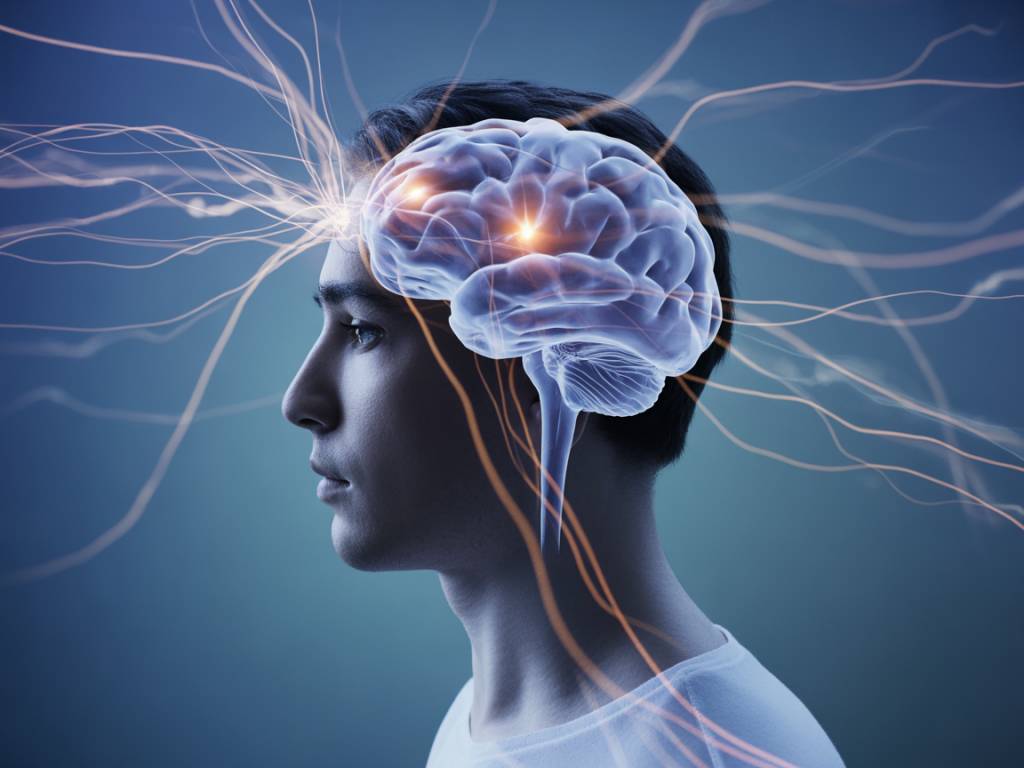
Neurotechnology and the Blurring Boundary Between Human Thought and Machine Control
Neurotechnology is moving from science fiction to everyday reality. Brain-computer interfaces, neural implants and AI-powered “mind reading” tools are no longer confined to research labs or speculative TV dramas. Instead, they are being tested in hospitals, universities and private companies across the UK, the US and beyond. As this transformation accelerates, a profound question emerges: can neurotechnology blur, or even erase, the line between human thought and machine control?
This question is no longer academic. It has direct implications for medical innovation, consumer technology, mental privacy, personal autonomy and even the future of democracy. Understanding how these tools work – and what they can and cannot yet do – is crucial for anyone who wants to follow, regulate or potentially invest in this next wave of technological change.
What Is Neurotechnology? From Brain Signals to Machine Commands
Neurotechnology refers to tools that record, interpret or modify activity in the nervous system. At its core, it is about translating the language of neurons into data that machines can understand and act upon.
Today’s neurotechnology spans a broad spectrum:
- Non-invasive brain-computer interfaces (BCIs) that use EEG headsets to detect electrical activity on the scalp.
- Implanted neural devices placed directly in the brain to monitor or stimulate specific regions.
- Neurostimulation technologies such as deep brain stimulation (DBS) or transcranial magnetic stimulation (TMS).
- AI-powered neuroimaging tools that decode patterns in fMRI or EEG scans to infer aspects of perception or intention.
The aim is simple but ambitious: link human thought to machine action. In practice, that can mean allowing a paralysed patient to move a robotic arm, enabling a person to type using only their brain signals, or even adjusting mood and cognition through finely tuned brain stimulation.
Brain-Computer Interfaces: Reading Intent, Not Thoughts (Yet)
Brain-computer interfaces sit at the heart of the debate about human thought and machine control. BCIs detect patterns of neural activity and translate them into commands that a computer, wheelchair, robotic limb or other device can follow.
Most clinical and experimental BCIs focus on intention, not on free-form “mind reading”. A user learns to imagine specific movements or focus on particular stimuli. The BCI system, often powered by machine learning, recognises those patterns and links them to concrete outputs, such as moving a cursor or selecting a letter.
The results can be extraordinary. Research teams in the United States and Europe have enabled people with paralysis to:
- Control robotic arms to drink water or manipulate objects.
- Type complete sentences by imagining handwriting movements.
- Regain partial communication after severe stroke or motor neuron disease.
In the UK, universities such as Imperial College London, the University of Oxford and UCL are exploring non-invasive BCIs and implantable devices for medical and assistive uses. These efforts are often funded through public research grants and charitable foundations, reflecting a strong emphasis on therapeutic benefit.
For now, the key technical constraint is signal quality. Neural activity is noisy, variable and deeply context-dependent. Even the most advanced BCIs decode only narrow bands of thought – typically linked to motor intentions, visual attention or simple decision-making tasks. The science is powerful, but it is not magic.
When Machines Shape the Mind: Neurostimulation and Behavioural Influence
If BCIs raise questions about machines reading the brain, neurostimulation raises questions about machines shaping the brain.
Technologies such as deep brain stimulation, transcranial magnetic stimulation and focused ultrasound can alter neural circuits in real time. In the NHS, deep brain stimulation is already used to treat conditions like Parkinson’s disease, dystonia and, in some cases, severe obsessive-compulsive disorder. Patients often report dramatic improvements in movement or mood when stimulation parameters are optimally tuned.
Yet the same capacity to alter neural activity also prompts difficult ethical questions:
- To what extent does neurostimulation modify personality, impulse control or emotional responses?
- Could such tools, in different hands, be adapted for enhancement, persuasion or even coercion?
- Who ultimately controls the settings, the software updates and the data generated?
Researchers and clinicians stress that current neurostimulation devices are far from tools of precise behavioural control. Adjustments require careful calibration and close monitoring. Still, the direction of travel – towards more targeted, AI-guided forms of brain modulation – makes the issue of machine influence over human agency difficult to ignore.
AI, Brain Data and the Emerging Reality of “Mind Reading”
The phrase “mind reading” is often used carelessly in media coverage of neurotechnology, but recent studies show why it resonates. In a series of experiments, AI systems trained on brain imaging data have been able to reconstruct approximate images people are looking at, predict which words they are listening to, or summarise the general meaning of a story they are hearing.
These systems do not read private thoughts in the ordinary sense. They rely on controlled experiments, long training periods and large imaging devices such as fMRI scanners. Outside the lab, replicating such setups is impractical.
Nevertheless, the trajectory is clear:
- Brain data is becoming more detailed, more abundant and more easily stored.
- Machine learning models are becoming more powerful, with better pattern recognition capabilities.
- Consumer neurotech devices, from EEG headbands to “focus-enhancing” wearables, are starting to appear on e-commerce platforms and in wellness markets.
For individuals interested in experimenting with neurotechnology at home, there is already a growing market of EEG headsets, meditation trackers and neurofeedback tools. These devices offer features such as concentration scores, sleep monitoring and basic brain training games. While far less precise than clinical systems, they normalise the idea that brain data is just another digital metric to collect, share and potentially monetise.
Ethical Fault Lines: Privacy, Autonomy and Cognitive Liberty
The more neurotechnology develops, the more pressing its ethical challenges appear. At least three concerns dominate current debates across the UK and internationally:
Mental privacy and brain data protection
Brain signals can, in principle, reveal highly sensitive information: health status, emotional reactions, preferences and even political leanings. If neurotechnology becomes widespread, questions arise about who owns that data, how it is stored, and whether it could be used for profiling, targeted advertising or insurance decisions.
Autonomy and machine influence
When a device not only reads but also modulates brain activity, the boundary between human choice and algorithmic suggestion becomes hazy. Could a future neurotech platform “nudge” users towards particular behaviours, products or opinions? And would users always be able to distinguish their own intentions from subtle machine-guided influences?
Cognitive liberty and human rights
A growing number of legal scholars and ethicists argue that we need to protect cognitive liberty – the right to think freely without undue interference. This includes protection against compulsory brain monitoring, forced neurostimulation or covert neuromarketing. Chile has already moved towards recognising “neurorights” in its constitution, while discussions are beginning in Europe, including in the UK policy community.
Regulating Neurotechnology: The UK and Global Landscape
Regulation is struggling to keep pace with neurotechnology. In the UK, implanted devices and many medical neurotech tools fall under the existing medical devices framework and are overseen by bodies such as the Medicines and Healthcare products Regulatory Agency (MHRA). Ethical oversight is provided by research ethics committees and, for NHS deployments, by dedicated clinical governance structures.
However, the regulatory picture becomes much less clear for consumer neurotechnology, wellness-oriented brain wearables or AI tools trained on large brain datasets. Many of these products position themselves as lifestyle accessories rather than medical devices, allowing them to avoid stricter scrutiny.
Internationally, the OECD and other organisations are drafting high-level principles for responsible neurotechnology, focusing on transparency, safety, fairness and human rights. Yet binding rules remain patchy. For UK consumers, clinicians and investors, this patchwork landscape makes due diligence and critical evaluation especially important.
From Medical Therapy to Consumer Gadgets: A Growing Neurotech Market
While much of the public debate focuses on headline-grabbing companies and clinical trials, a quieter revolution is unfolding in the marketplace. Neurotechnology is steadily moving into the consumer and prosumer segments.
Today, individuals can already purchase:
- EEG headbands marketed for meditation, focus and sleep tracking.
- Neurofeedback systems designed to train attention, stress regulation or peak performance.
- Educational kits and books introducing the basics of neurotechnology, brain-computer interfaces and AI in neuroscience.
Some users seek these products out of curiosity; others are motivated by personal optimisation, mental health support or early-stage investment interest in the neurotech sector. Reviews, independent testing and careful scrutiny of scientific claims are vital here, as the quality and evidence base of consumer neurotechnology products vary widely.
Will Neurotechnology Erase the Line Between Human Thought and Machine Control?
So, can neurotechnology truly blur the line between human thought and machine control? The answer depends on how one defines each side of that line.
On the one hand, the link between brain activity and digital systems is already real. Brain-computer interfaces can convert neural patterns into cursor movements. Neurostimulation can modify mood or motor function. AI can predict aspects of what a person is seeing or hearing based on their brain scans. These technologies offer powerful tools for medicine, rehabilitation, research and, increasingly, consumer applications.
On the other hand, the human mind remains vastly more complex, layered and context-dependent than any current neurotechnology can capture. Present-day systems decode fragments of neural activity under constrained conditions. They do not read inner monologues, core values or “true selves” in the way dramatic narratives often suggest.
The genuine risk lies not in instantaneous, total mind control, but in gradual shifts: normalising brain data collection; expanding the scope of subtle neurostimulation; and embedding AI-driven interpretation of thought-related signals into everyday decisions, workplaces and digital services. Over time, these trends could reshape how we experience agency, privacy and responsibility.
For policymakers in the UK and elsewhere, the task is to support valuable medical and scientific progress while guarding against misuse, discrimination and intrusive surveillance. For citizens, patients and potential buyers of neurotech products, the challenge is to stay informed, ask hard questions about data and ethics, and resist both panic and complacency.
Neurotechnology will not turn humans into passive terminals of machine control overnight. But it is already changing the vocabulary of human thought, the practical reach of our intentions and the ways in which technology interacts with the brain itself. Understanding that evolving relationship may be one of the most important civic skills of the coming decade.